Why E-Commerce Needs Data-Driven Customer Journey Maps
Walk into any E-commerce Director’s office, and you will likely see it: The Customer Journey Map. It’s usually a beautifully designed, color-coded poster pinned to the wall. It shows a linear path: The customer sees an ad, clicks a link, browses a category, adds to cart, and checks out. Everyone smiles. It looks logical.
It is also completely wrong.
There is a famous semantic axiom: “The map is not the territory.” The map on the wall represents the Happy Path — the ideal route you want users to take. The territory is the Actual Path — the messy, chaotic, emotional reality of how human beings actually shop.
Traditional customer journey maps rely on two types of data.
Declared Data: What customers say in surveys (“I want low prices”).
Behavioral Data: What customers do on the site (clicked “Add to Cart”).
What these maps fail to capture is the third and most critical dimension: Emotional Data.
They tell you where customers clicked, but not how they felt. Did they hesitate because they were confused? Did they abandon checkout because anxiety spiked when shipping costs appeared?
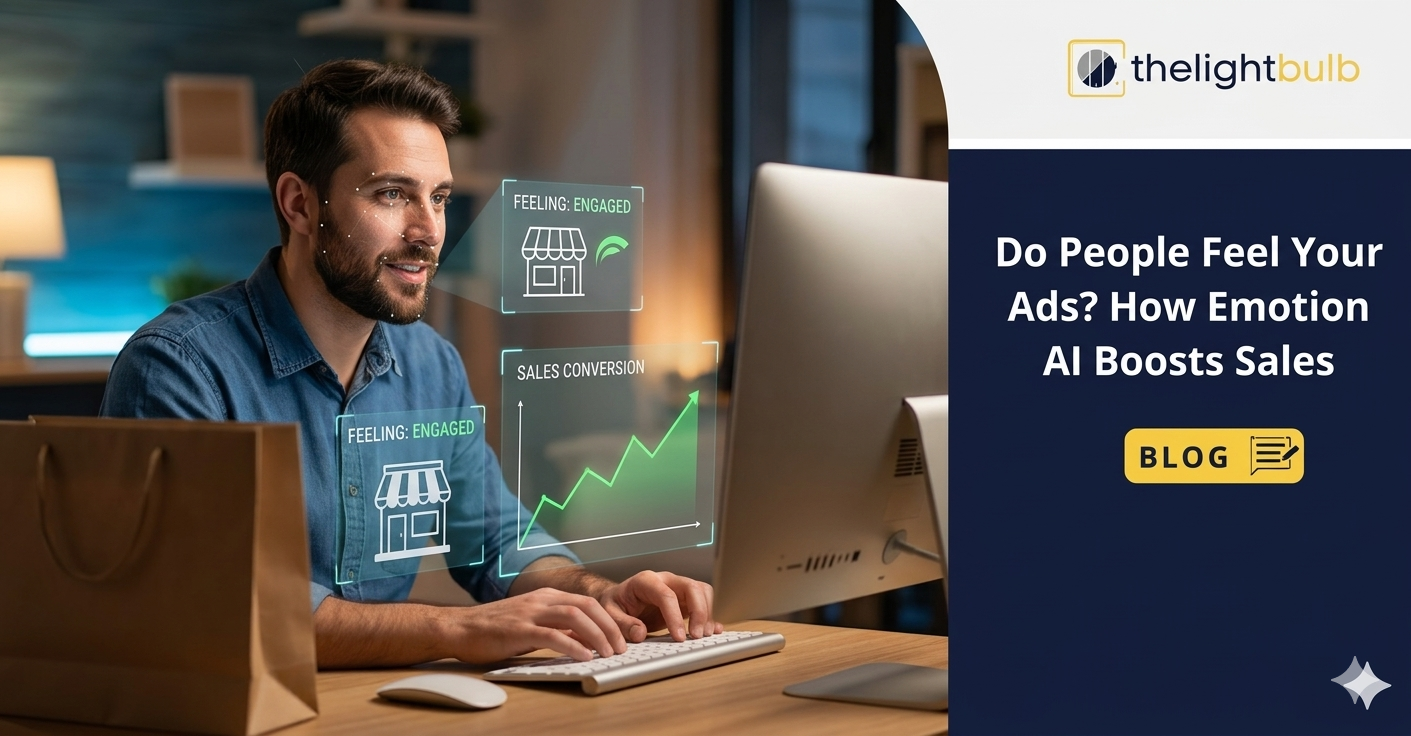
To survive in modern e-commerce, brands must tear down static PDFs and build Data-Driven Customer Journey Maps — living, breathing models that overlay Emotion AI onto the funnel.
The Myth of the “Rational” Funnel
E-commerce experiences are often designed for logic, efficiency, and step-by-step behavior.
But humans do not behave rationally.
Customers operate primarily on System 1 thinking — fast, emotional, instinctive decision-making. When users land on your site, they are not just processing information; they are feeling cognitive load, anticipation, anxiety, and risk.
The “Happy Path” Fallacy
If analytics show a drop-off on the shipping page, a traditional journey map says: “Optimization needed.”
A data-driven journey map says: “High anxiety detected.”
Traditional view: The form is too long.
Emotional view: The customer fears hidden costs.
Understanding the difference between a technical issue and an emotional barrier is how brands unlock hidden revenue.
Phase 1: The Emotional Entry (Discovery & Awareness)
The customer journey does not begin on your homepage. It begins on Instagram, YouTube, search ads, or TV.
The emotional state created before the click determines how the customer behaves after the click.
Scenario A: A user clicks an ad that made them laugh (High Joy). They arrive open to exploration.
Scenario B: A user clicks an ad focused on a painful problem (High Anxiety). They arrive seeking reassurance.
If your journey map treats both users the same, conversion loss is inevitable.
A data-driven map tags traffic sources with emotional sentiment, ensuring the experience adapts to how the customer arrives.
Phase 2: The Messy Middle (Consideration & Evaluation)
This is the most misunderstood phase of e-commerce.
It is the emotional black box between product discovery and purchase.
Customers compare prices, read reviews, question trust, and assess risk — often switching devices and channels.
The Mobile Context: Zero Patience
On mobile, patience is nearly nonexistent.
Slow-loading images, broken filters, or pop-ups covering buttons trigger micro-frustrations.
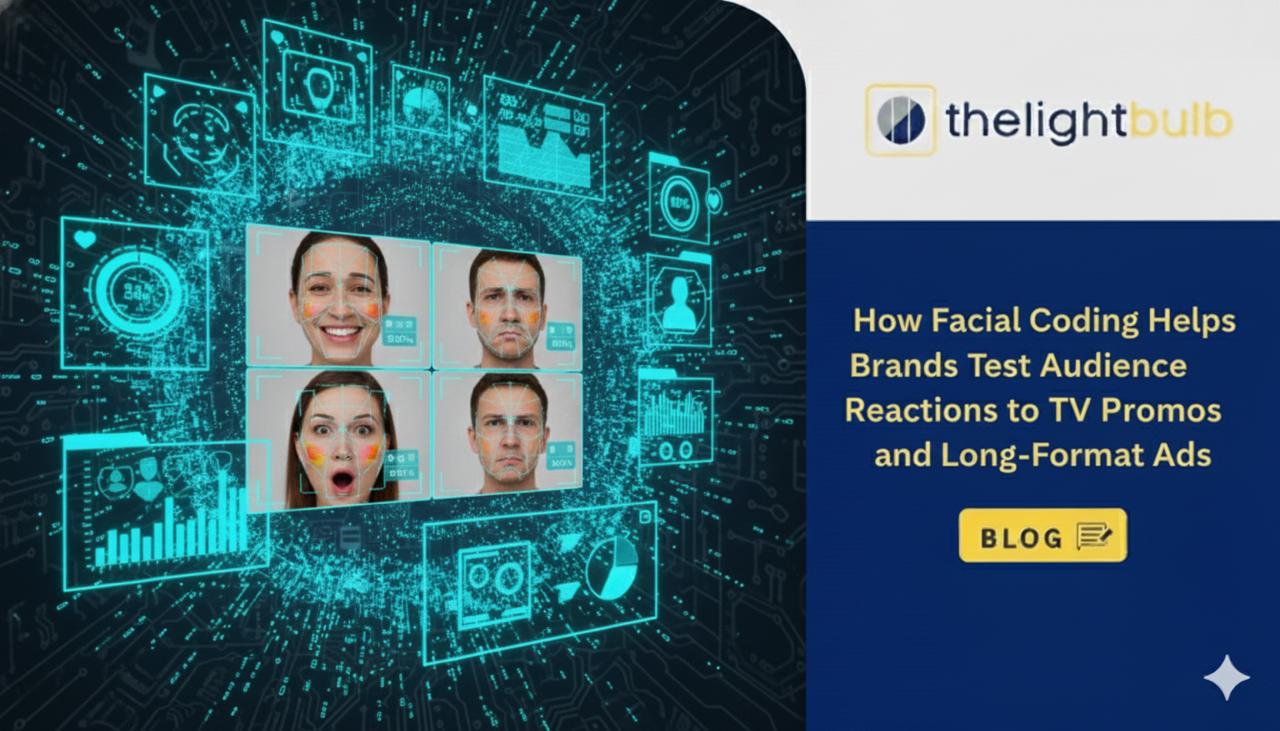
Facial coding detects signals like brow furrowing, lip pressing, and gaze wandering — turning invisible friction into measurable insight.
Identifying Invisible Barriers
Sometimes a customer leaves without clicking anything.
Analytics calls this a bounce.
Emotion AI calls it confusion.
If clusters of users show confusion signals on a product page, pricing clarity or stock messaging may be the issue.
Emotion data reveals why customers leave — not just when.
Phase 3: The Decision (Purchase Intent)
This is where browsers become buyers.
Ready-to-buy users often show a calm, focused emotional state rather than excitement.
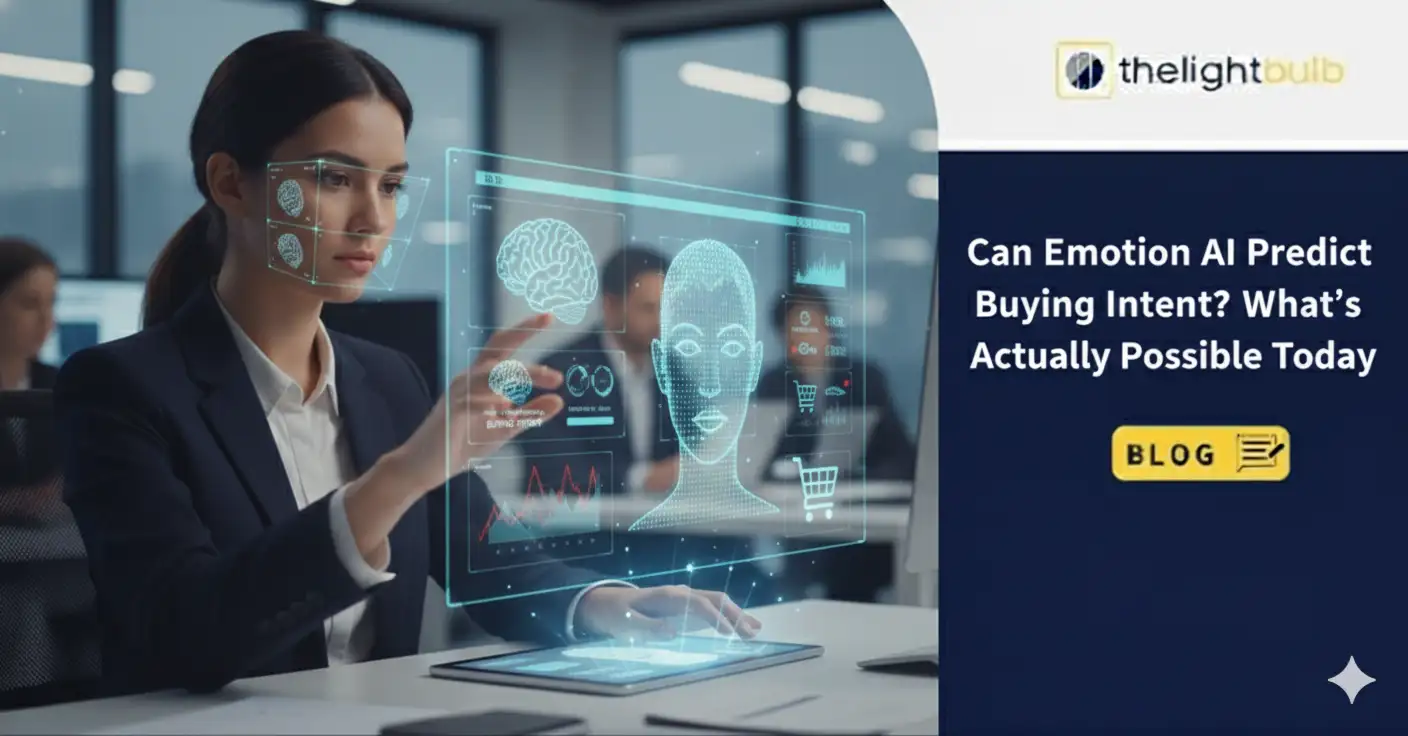
Predictive signals include steady gaze, reduced blinking, and focused attention on key CTAs.
Detecting hesitation allows brands to intervene with reassurance, chat support, or incentives at the exact moment it matters.
Phase 4: The Post-Purchase Experience (Retention)
Most journey maps end at the “Thank You” page.
This is a fatal mistake.
The emotional journey continues through delivery, unboxing, setup, and first use.
Poor onboarding, confusing instructions, or buggy setup experiences create regret — the root cause of churn.
A data-driven journey map extends into the customer’s home and captures first-use frustration.
From Strategy to Execution
Building a data-driven journey map requires a methodological shift.
- Opt-in webcam-based research
- Facial coding and attention tracking
- Sentiment overlays on click maps
- Emotional heatmaps across the funnel
The result is a living dashboard that evolves with customer behavior and expectations.
Conclusion: From Static PDFs to Living Dashboards
Static journey maps show arrows and boxes.
Data-driven journey maps show emotions.
By layering Emotion AI onto customer journeys, brands stop guessing and start knowing.
In the experience economy, empathy is the ultimate competitive advantage.
Call to Action: Look at your current journey map. Does it show feelings or just steps? It’s time to map the human experience.
Frequently Asked Questions (FAQs)
What is a data-driven customer journey map?
It is a journey map built using behavioral, emotional, and biometric data rather than assumptions or surveys alone.
How is it different from a traditional journey map?
Traditional maps show what users do. Data-driven maps reveal what users feel and why they behave the way they do.
Can this approach work for B2B?
Yes. B2B buyers still experience anxiety, trust evaluation, and emotional risk during decision-making.
Does this require special software?
Visualization tools can be standard, but capturing emotional data requires an Emotion AI platform.
How often should journey maps be updated?
Ideally, quarterly or after major UX, product, or campaign changes.
How does AI impact the customer journey?
AI transforms the journey from static to adaptive by detecting emotional states and predicting intent in real time.
Why is the emotional entry point important?
Because a shopper’s emotional state before landing on your site directly shapes engagement, trust, and conversion behavior.
How does emotion influence consumer behavior?
Emotion drives subconscious decision-making, memory encoding, and purchase intent.
What differentiates B2B journeys from B2C?
B2B journeys involve longer cycles, multiple stakeholders, and higher perceived risk — but emotion still plays a key role.